

There are many reasons for a child to get behind in school, including learning differences like intellectual disabilities, autism, and dyslexia. I am noticing a different pattern, though. Many students who are significantly behind come to me with some type of trauma in their past, whether it was the death of a loved one, a chronic illness, or being removed from the home into foster care. I find that the grade level at which they are stuck is the very year that the trauma took place.
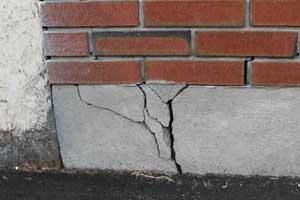
How can a child get caught up? Will help with homework do it? I don’t believe it can. When there are significant gaps in a child’s education, those gaps must be addressed first, or they will remain stuck. The walls of their house of learning might look new and sturdy (they are learning new content now in school), but somewhere along the way, the cracks will show. Once they hit middle school, it will be detrimental and nearly too late to repair. The floor will give way, and they will fall through. If it hasn’t already, discouragement will hit, and your child will shut down. When this happens, it takes a lot to bring that confidence back.
My reading and math programs address these significant gaps and build a brand-new, solid foundation that will last throughout their education journey. I have a way of showing a tremendous amount of respect to the child I am teaching, asking if they would read something for me, for instance. This takes away the anxiety and gives them courage and even a desire to show what they are capable of. (Through the assessments, the program starts at the exact reading or math level they are at that moment.) By developing a comfortable relationship with the child and making the learning fun and engaging, the child quickly regains their confidence. This is one of the first things parents notice when I tutor their child.